
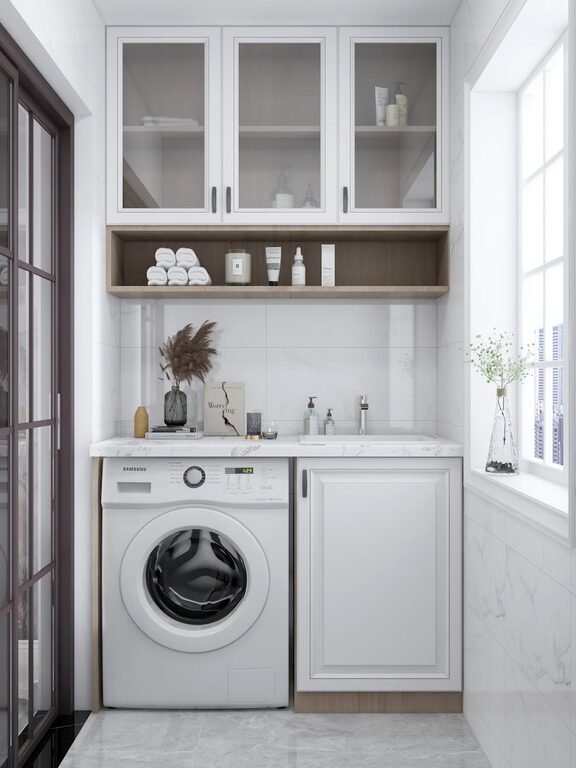
Creating a peaceful and inviting atmosphere in your home starts with the colors you choose for your walls and decor. Calm colors help reduce stress and make your space feel more relaxing and welcoming. Whether you’re repainting a single room or redecorating your entire house, selecting the right calm colors can transform your environment.
In this post, we’ll share practical tips to help you choose calm colors for your home. You’ll learn how to pick shades that promote tranquility while reflecting your personal style.
Why Choose Calm Colors?
Calm colors are typically soft, muted, and soothing. They have the power to:
– Create a sense of serenity and relaxation
– Make spaces feel larger and more open
– Complement natural light and interior elements
– Support better rest and mental well-being
Common calm colors include soft blues, gentle greens, warm neutrals, and pale lavenders. These colors work well in bedrooms, living rooms, bathrooms, and any space where you want to feel at ease.
Tips for Choosing Calm Colors
1. Understand the Mood You Want to Create
Think about how you want to feel in the space. Calm colors can evoke different emotions:
– Soft blue: peaceful and refreshing
– Light green: natural and soothing
– Warm beige: cozy and grounding
– Pale lavender: gentle and uplifting
Define the mood you want before you pick your color palette.
2. Test Colors in Different Light
Natural and artificial light can drastically change how a color looks. A shade that is calming in the morning light might seem dull or too cool in the evening.
– Paint sample swatches on your wall
– Observe colors in different lighting throughout the day
– Consider the direction your windows face and light sources in the room
3. Use Neutrals for a Calm Base
Neutral colors like soft whites, light greys, and warm taupes provide a perfect calm foundation. They blend well with other colors and make decorating easier.
– Pair neutrals with pastel accents for a subtle color pop
– Use textured fabrics and natural materials to add warmth
4. Incorporate Nature-Inspired Colors
Colors inspired by nature tend to create a calm feeling. Think of sky blues, leafy greens, sandy beiges, and gentle browns.
– Greens symbolize renewal and growth
– Blues often evoke calmness and trust
– Earth tones help ground and balance your space
5. Limit Bold or Intense Colors
While accents of bright colors can add interest, too much intensity can overwhelm a calm color scheme.
– Avoid large walls painted in bright reds, yellows, or vivid oranges
– Use bold colors sparingly in accessories, artwork, or furniture
6. Consider Color Psychology
Color psychology studies how colors influence emotions. Calm colors tend to lower heart rate and create a sense of balance.
– Blue: encourages relaxation and reduces anxiety
– Green: helps with stress relief and brings harmony
– Soft grey: promotes balance and neutrality
– Lavender: calms the mind and can help with restful sleep
7. Match Calm Colors to Your Home’s Style
Your choice should also reflect your interior style for a cohesive look. For example:
– Scandinavian design: whites, pale greys, and muted pastels
– Coastal style: soft blues, sandy beige, and seafoam green
– Minimalist decor: cool neutrals and gentle blues
– Traditional: warm neutrals with soft touches of green or lavender
8. Use Multiple Shades and Textures
Layering different shades within a calm color palette adds depth and interest without overwhelming the senses.
– Combine light and medium tones of the same color
– Add texture with rugs, throws, and curtains to enhance the cozy feeling
– Use matte or satin finishes for a soft appearance on walls
How to Apply Calm Colors in Your Home
Bedrooms
Choose soft blues, gentle greens, or lavender to create a restful retreat. Use neutral bedding and keep clutter to a minimum.
Living Rooms
Start with neutral walls and introduce calm accent colors through pillows, rugs, and artwork.
Bathrooms
Light blues and soft greys complement clean lines and create a spa-like ambiance.
Kitchens
Soft beige or muted green gives a fresh and inviting feel without being overpowering.
Final Thoughts
Choosing calm colors is about creating a space where you feel comfortable and relaxed. Take your time exploring different shades, test how they look in your home, and do not hesitate to combine colors thoughtfully. With these tips, you’ll be able to design a peaceful, beautiful environment that truly feels like home.
Remember, your home is your sanctuary, and calm colors are a great way to enhance that feeling every day. Happy decorating!