
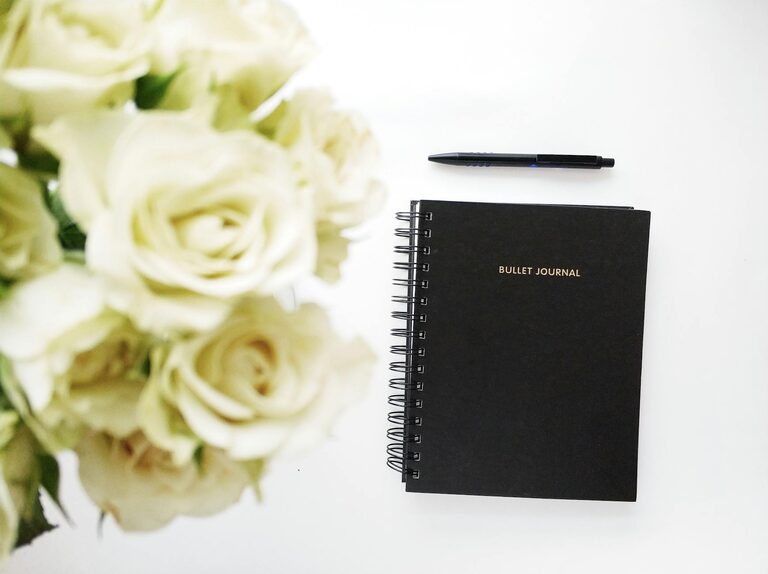
What Is Bullet Journaling?
Bullet journaling is a flexible and creative way to organize your tasks, goals, and thoughts all in one notebook. It combines to-do lists, calendars, habit trackers, and notes into a personalized system tailored to your needs. Unlike traditional planners, a bullet journal is fully customizable, making it perfect for everyone—from busy professionals to students or anyone looking to boost productivity.
Why Try Bullet Journaling?
– Customizable: Design your journal exactly how you want.
– Mindful: Helps you stay aware of your priorities and habits.
– Creative: A chance to express yourself artistically.
– Flexible: Adapt your system as your life changes.
– Efficient: Combines many tools into one simple notebook.
Getting Started: Supplies You’ll Need
You don’t need fancy tools to start. Here’s what’s helpful:
– Notebook: A dotted or grid journal is popular but any notebook works.
– Pens: Fine liners, gel pens, or whatever you like writing with.
– Markers or highlighters: Optional, for color coding or decoration.
– Ruler: To create neat lines and boxes.
– Stickers or stamps (optional): For added fun and personalization.
Key Components of a Bullet Journal
1. Index
This is your journal’s table of contents. You’ll list important pages and their numbers here so you can easily find them later.
2. Future Log
A section to jot down events, appointments, or goals spread out over the next several months.
3. Monthly Log
Includes a calendar overview and a task list for the month. It helps you see deadlines and appointments at a glance.
4. Daily Log
Daily entries with tasks, events, and notes. Mark tasks as complete, migrated, or canceled using simple symbols.
5. Collections
Specialized lists or pages dedicated to specific topics, such as books to read, habit trackers, or fitness goals.
Basic Bullet Journal Symbols
Use simple symbols to quickly mark your entries:
– • (Bullet): Task
– ○ (Circle): Event
– – (Dash): Note
– ×: Completed task
– > (Right arrow): Task migrated to another day
– < (Left arrow): Task scheduled for the future
Feel free to add your own symbols as you go!
Step-by-Step Beginner Setup
Step 1: Number Your Pages
Numbering your pages makes it easier to use the index efficiently.
Step 2: Create Your Index
Reserve the first 2–4 pages as your index. As you add pages, record their titles and numbers here.
Step 3: Set Up Your Future Log
Divide a page into 6 or 12 sections (depending on how many months you want to track). Label each section with a month and write important dates or big goals.
Step 4: Prepare Your Monthly Log
On a new page, write the month at the top. Create a vertical list of dates down the side, leaving space to jot down events next to each date. On the following page, make a task list for that month’s goals.
Step 5: Create Your Daily Logs
Each day, write the date and list your tasks, events, and notes using your chosen symbols. Update your list as the day progresses.
Tips for Staying Consistent
– Keep it simple to start: Don’t feel pressured to create elaborate spreads right away.
– Set aside 10–15 minutes daily: Morning or evening, to plan and reflect.
– Review weekly: Migrate incomplete tasks forward or remove them.
– Personalize gradually: Try new layouts or trackers as you get comfortable.
– Use your journal everywhere: Carry it with you or store it somewhere accessible.
Ideas for Creative Touches
– Color-code different types of tasks (work, home, personal).
– Add doodles or motivational quotes.
– Use washi tape or stickers to decorate headers.
– Experiment with calligraphy or hand lettering.
– Incorporate photos or magazine cutouts.
Common Challenges and How to Overcome Them
– Feeling overwhelmed: Start with only an index, future log, and daily log.
– Falling behind: Remember it’s OK to skip days or simplify.
– Perfectionism: Focus on functionality first, creativity second.
– Running out of space: Add an extra collection page or carry on the monthly log to another page.
Final Thoughts
Bullet journaling is a versatile and enjoyable way to stay organized. It encourages mindfulness, creativity, and a better connection with your goals and daily tasks. Start simple, experiment with layouts and styles, and watch your productivity and happiness grow one page at a time.
Happy journaling!