
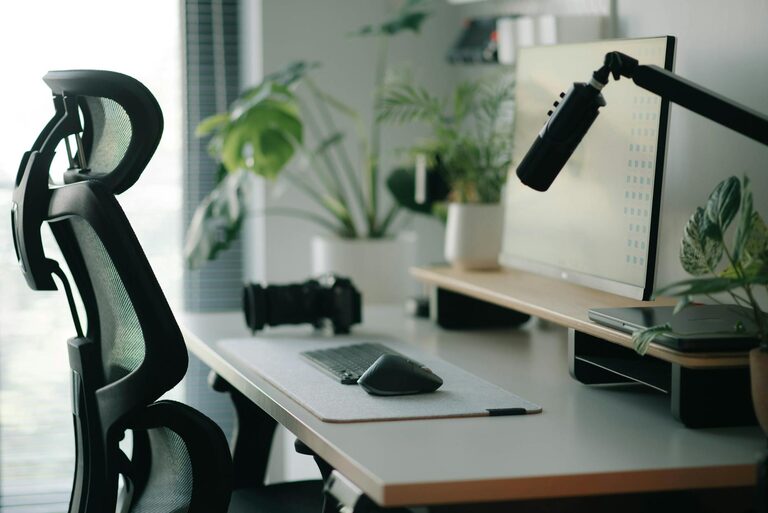
Creating a workspace that promotes both focus and comfort can significantly improve your productivity and well-being. Whether you work from home, in an office, or simply need a dedicated spot for projects and hobbies, setting up your desk thoughtfully is key. In this post, we’ll explore practical desk setup tips designed to help you stay focused and comfortable during your work hours.
Why Your Desk Setup Matters
A cluttered or poorly arranged desk can cause distractions, discomfort, and fatigue, leading to decreased productivity. On the other hand, an ergonomically designed and organized workspace encourages concentration, reduces physical strain, and makes your work experience more enjoyable.
Key Elements for an Effective Desk Setup
1. Choose the Right Desk and Chair
Your desk and chair are the foundation of your workspace. They should support good posture and suit your daily activities.
– Desk height: The standard desk height ranges from 28 to 30 inches (71 to 76 cm). Make sure your desk allows you to sit upright with your arms at a 90-degree angle while typing or writing.
– Chair support: Invest in an adjustable chair with lumbar support to maintain the natural curve of your spine. Your feet should rest flat on the ground or footrest.
2. Position Your Screen Properly
Proper screen positioning minimizes neck and eye strain.
– The top of your monitor should be at or slightly below eye level.
– Place the screen about an arm’s length away (20-30 inches).
– If you use a laptop, consider a laptop stand or external monitor to achieve the ideal height.
3. Optimize Lighting
Lighting plays a big role in reducing eye strain and creating a comfortable atmosphere.
– Use natural light whenever possible, but avoid glare on your screen.
– Supplement with adjustable desk lamps featuring soft, warm light.
– Avoid harsh overhead fluorescent lighting that can cause headaches.
4. Organize Your Desk for Efficiency
A tidy desk means fewer distractions and easier access to essentials.
– Use organizers, trays, or drawers to keep supplies within reach but out of the way.
– Limit items on your desk to frequently used tools like pens, notepads, or your phone.
– Declutter often to maintain a clean environment.
5. Add Comfort with Accessories
Small additions can enhance your comfort throughout the day.
– Use a wrist rest to prevent strain while typing.
– Ergonomic keyboards or mice can reduce repetitive motion injuries.
– Consider a standing desk converter, allowing you to alternate between sitting and standing.
6. Personalize Mindfully
Adding personal touches can make your workspace inviting without causing distractions.
– Incorporate a small plant or artwork for visual appeal.
– Use calming colors and textures to create a relaxing vibe.
– Avoid overcrowding with too many decorative items.
Tips to Stay Focused at Your Desk
Beyond physical setup, habits and environment influence focus as well.
– Take regular breaks: Brief pauses every hour help reduce fatigue.
– Set clear boundaries: Use your desk only for work to separate your workspace from relaxation areas.
– Minimize distractions: Silence notifications or use noise-canceling headphones.
– Keep hydration nearby: Drinking water supports mental clarity.
Sample Desk Setup Checklist
Here’s a quick checklist you can follow to audit or set up your workspace:
– [ ] Desk height fits your sitting posture.
– [ ] Chair provides back support and adjustability.
– [ ] Monitor is positioned at eye level and appropriate distance.
– [ ] Lighting is balanced and minimizes glare.
– [ ] Desk is organized with minimal clutter.
– [ ] Comfortable accessories like wrist rests or ergonomic devices are in place.
– [ ] Personal items add cheer without causing distraction.
– [ ] Breaks and focus strategies planned throughout the day.
Final Thoughts
Designing a desk setup for focus and comfort doesn’t have to be complicated. Paying attention to ergonomics, lighting, organization, and small comfort details can transform your workspace into a supportive environment. With these tips, you can work more efficiently and enjoy the time spent at your desk.
Remember, everyone’s needs are different. Feel free to adjust these suggestions to find what works best for you!
—
By putting these desk setup tips into action, you’ll not only enhance your physical comfort but also nurture a mindset geared toward focus and productivity. Start with small changes and build a workspace that truly supports you.