
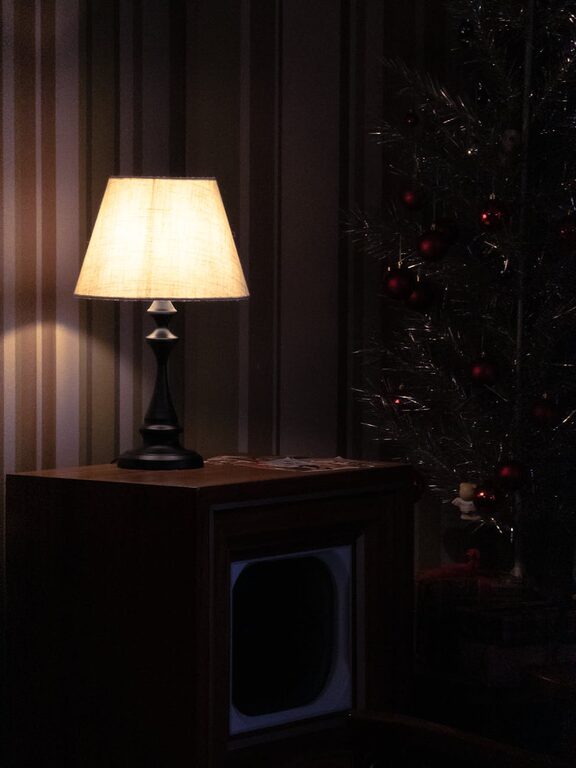
Unwinding after a busy day often means settling in with a screen—whether it’s your TV, tablet, or laptop. But too much brightness and harsh lighting can strain your eyes and disrupt your evening calm. A screen-light evening thoughtfully planned creates a cozy, gentle atmosphere that helps you relax without sacrificing your digital entertainment.
In this guide, you’ll learn how to prepare your space, adjust lighting, and choose activities to enjoy a soothing screen-light evening.
What Is a Screen-Light Evening?
A screen-light evening is a relaxing night spent engaging with digital screens under soft, minimal lighting. Rather than using bright overhead lamps, the focus is on gentle ambient lights or warm-toned light sources. This creates a more restful environment that supports winding down and avoiding eye strain.
Unlike a regular night in front of a screen with harsh lighting or total darkness, this balanced approach improves comfort and helps maintain healthy sleep patterns.
Step 1: Choose the Right Location
Where you set up for your screen-light evening affects the experience. Ideally, pick a spot in your home where you can control light and noise easily.
– Living room or den: These spaces often have comfy seating, making them excellent for watching movies or gaming.
– Bedroom: Perfect for a calm wind-down with a book on a tablet or gentle shows.
– Reading nook: A quiet corner with a lamp is great for tablet reading or listening to audiobook apps.
Make sure your seat has good support and is comfortable enough to relax in for an hour or two.
Step 2: Adjust Your Screen Settings
To reduce eye strain during your screen-light evening, tweak your device settings:
– Brightness: Lower your screen brightness to match the ambient light.
– Blue light filter: Enable night mode or blue light filtering to reduce harsh blue tones.
– Text size and contrast: Adjust these for comfortable reading or viewing.
– Avoid glare: Position your screen to minimize reflections from windows or lamps.
Many modern devices come with built-in options designed to make night viewing easier on your eyes.
Step 3: Set Up Gentle Lighting
The lighting in your room should complement your screen without overpowering it.
Types of Friendly Lighting:
– Warm lamps: Use table lamps or floor lamps with warm white bulbs (2700–3000K) to create a cozy vibe.
– String lights: Soft string lights or fairy lights add charm and subtle brightness.
– Dimmer switches: If possible, install dimmers to control overhead lights and keep them low.
– Candlelight: Flameless LED candles offer a gentle glow without risk, enhancing relaxation.
Avoid bright, cool white lights that feel harsh and can increase eye discomfort.
Step 4: Prepare Snacks and Drinks
A part of any enjoyable evening includes tasty refreshments.
– Light snacks: Keep it easy with nuts, popcorn, fresh fruit, or small cheese plates.
– Warm drinks: Herbal tea, warm milk, or decaf coffee help promote relaxation.
– Stay hydrated: Don’t forget water, especially if you’re consuming salty treats.
Avoid heavy, sugary foods before bedtime to maintain comfort and sleep quality.
Step 5: Select Relaxing Activities
What you do during your screen-light evening influences how well you unwind.
Ideas for Enjoyment:
– Binge a favorite show or movie: Choose something uplifting or soothing rather than intense.
– Play casual games: Puzzle games or calming apps are easier on your mind than competitive or fast-paced games.
– Read on e-reader or tablet: Use the device’s night mode to reduce brightness.
– Listen to music or audiobooks: Combine gentle screen light with a relaxing soundscape.
– Video chat with close friends/family: Catch up without too much screen strain.
Try to limit stressful or demanding content that might raise your alertness.
Step 6: Create a Wind-Down Routine After Screens
Ending your screen-light evening with a calming ritual signals your body it’s time to rest.
– Turn off screens at least 30 minutes before bed.
– Practice light stretching or deep breathing exercises.
– Read a physical book or write in a journal.
– Dim the room lights further or switch to night lighting.
This helps reduce blue light exposure and prepares your brain for restorative sleep.
Bonus Tips for a Successful Screen-Light Evening
– Use blue-light blocking glasses if you find filtering options insufficient.
– Set a time limit to avoid overuse and potential eye fatigue.
– Keep your devices clean for clear viewing and less eye effort.
– Add cozy elements like blankets or cushions to enhance comfort.
Conclusion
A screen-light evening offers a balanced way to enjoy digital entertainment while caring for your eyes and mental well-being. By choosing the right environment, soft lighting, comfortable seating, and calming activities, you can turn your nightly screen time into a cozy ritual that helps you relax and recharge.
Give these tips a try to make your next screen-light evening a soothing highlight of your day!